

Heating systems are essential to your home, yet many people don’t know the difference between a heat pump and a gas furnace. Making the right decision for your home depends on several factors, from budget to energy efficiency. Learn more about the differences between gas furnaces and heat pumps, and explore which is better for your home.
What Is A Heat Pump?
This device transfers heat from one place to another such as from inside a building to the outside or vice versa. In the summer, a heat pump can be used by you to cool a building by moving heat from the inside to the outside. In the winter, a heat pump can be used by you to heat a building by moving heat from the outside to the inside.
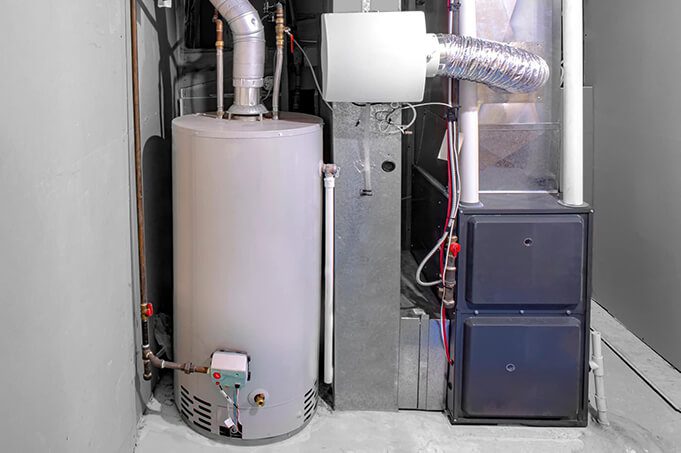
What Is A Gas Furnace?
A gas furnace is a system that uses natural gas to heat your home. Furnaces are typically used in areas where natural gas is readily available. Gas furnaces are also generally more efficient than other heating systems, making them a popular choice for many homeowners in Loveland, CO.
Quick Answer: Heat Pump vs. Gas Furnace: Which is Better for Colorado Homes?
For many Colorado homeowners, a heat pump works well in milder parts of the state thanks to its energy efficiency and dual heating-cooling function. But in areas that regularly dip below freezing, a gas furnace often performs better. In some cases, a dual-fuel system hits the sweet spot.
Understanding Colorado’s Climate and Its Impact on Heating Choices
Heating in Colorado isn’t one-size-fits-all. Depending on where you live, your experience with winter could range from brisk mornings to full-on Arctic blasts. Along the Front Range and in places like Denver or Fort Collins, we see milder winters compared to mountain towns like Breckenridge or Gunnison, where sub-zero temps are par for the course. That matters a lot when choosing a heating system.
Heat pumps shine in areas with moderate winter temperatures; they move heat around rather than generate it, which works well until the mercury really drops. Gas furnaces, on the other hand, bring the firepower when you need steady heat in the dead of winter. Altitude also plays a part: thinner air can affect combustion in gas systems and reduce heat pump efficiency. That’s why it’s crucial to match your system to your specific environment—Colorado weather isn’t forgiving when your heater falls behind.
Heat Pumps: Pros and Cons in Colorado
We’ve seen a steady rise in interest around heat pumps here in Colorado—and for good reason. A well-installed heat pump can pull double duty, keeping you warm in the winter and cool in the summer. That’s a big plus for homes that don’t already have central air. Because they transfer heat instead of generating it, they can be incredibly efficient—up to three times more efficient than traditional heating methods under the right conditions.
In milder parts of the state, like Boulder or Colorado Springs, heat pumps can handle most winter days with ease. They’re especially appealing if you’re looking to reduce your carbon footprint or tap into renewable electricity. And thanks to local rebates and tax credits, the upfront cost doesn’t always sting as much as it used to.
But, and this is important, heat pumps can struggle when temps plunge into the teens or below. In colder zones, you might find yourself relying on expensive backup heat sources more often than you’d like. They also tend to cost more upfront compared to a basic gas furnace. Still, for many homes, especially newer builds with good insulation, they’re a strong contender. As we say around here, the right fit makes all the difference.
Gas Furnaces: Pros and Cons in Colorado
When winter rolls in with its teeth bared, especially in the higher elevations, gas furnaces really prove their worth. They’re designed to crank out consistent heat no matter how far the temperature falls. That reliability is why so many Colorado homes, particularly older ones, are built around furnace systems. You flip the thermostat, and it just works—even when it’s five degrees outside and the wind is howling.
Gas furnaces also tend to have a longer track record, both in terms of technology and lifespan. Many models can last 15 to 20 years with proper maintenance. Installation costs are often lower than a heat pump setup, too—especially if your home already has a natural gas line and ductwork in place.
That said, there are some trade-offs. Furnaces burn fossil fuel, which means more greenhouse gas emissions. If reducing your home’s carbon footprint is a priority, this can be a sticking point. You’ll also need a separate system for cooling come summer, which adds cost and complexity. And because combustion is involved, you’ll want to stay on top of safety.
Which is better?
There is no definitive answer to the question of which type of heating system is better for specific situations. Some factors that may influence your decision include the climate in your region, the efficiency of the unit, and the upfront cost.
A heat pump may be the best choice if you live in the Loveland, CO, region with a mild climate. Heat pumps are very efficient and can save you money on your energy bills in the long run. However, they can be more expensive to purchase and install than a gas furnace.
If you live in a region with a colder climate, a gas furnace may be the better option for you. Gas furnaces are less efficient than heat pumps but are less expensive to purchase and install.
Whether to install a heat pump or gas furnace is ultimately up to the homeowner’s individual needs and budget. Heat pumps are more efficient than gas furnaces but may not be suitable for cold climates. Gas furnaces can provide reliable heating in colder temperatures at an affordable price, but they come with higher operating costs. Ultimately, it comes down to what works best for you and your home, given your climate and budget restrictions.