

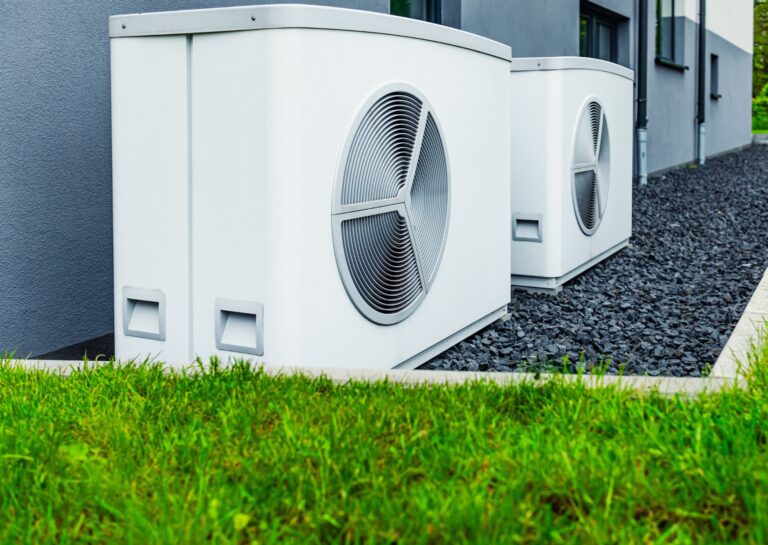
If you live in Colorado, you have good reason to ask whether heat pump installation is a smart move or a costly mismatch. Winter along the Front Range isn’t the same as winter in the foothills or mountain towns, and one-size-fits-all advice usually falls apart once elevation, insulation, and utility costs enter the picture.
In Colorado, heat pump performance depends on several practical factors that are easy to overlook, including cold-weather operation, altitude, home efficiency, and whether backup heat makes sense for your home. Our goal is to help you sort through the noise and make sense of what applies to your home.
Quick Answer: Can Heat Pumps Operate Efficiently in Colorado?
Yes, modern cold-climate heat pumps can work efficiently in many Colorado homes, including places with cold winters. The catch is that performance depends on the equipment, your elevation, your home’s insulation and ductwork, and whether the system is designed with the right backup strategy.
When Heat Pumps Work Well in Colorado, and When They Need Help
In many Colorado homes, heat pumps can work well without much fuss. They tend to make the most sense when the home is fairly well insulated, the ductwork is in good shape, and winter temperatures stay within the system’s comfort zone for most of the season.
They are often a strong fit for:
- Homes along the Front Range
- Houses with solid insulation and air sealing
- Homeowners replacing an aging AC and furnace together
Some homes need more planning before a heat pump is the right call.
That often includes:
- Older homes with noticeable drafts
- Higher-elevation properties
- Homes in areas with longer stretches of extreme cold
- Houses that may need backup heat or a dual-fuel setup
In those cases, the question is not whether a heat pump can work. It is whether the system is matched carefully to the home. For some homeowners, that also means looking at heat pump and solar options together, since the long-term operating picture may change when both systems are part of the plan.
What Changes Heat Pump Performance in Colorado
The short answer is that heat pumps can work in Colorado, but the more useful question is what affects their performance in different parts of the state.
A few factors can change how a system performs:
- Elevation
- Thinner air can affect heating capacity and airflow
- Design temperature
- A home in Fort Collins faces different winter conditions than one in Estes Park or Steamboat Springs
- Defrost cycles
- During cold, damp weather, systems may pause briefly to clear frost from the outdoor coil
- Home envelope
- Air leaks and weak insulation can drag down performance faster than many homeowners expect
This is one reason behind the rise of heat pumps in Colorado conversations. People want better efficiency, but the real answer depends on where you live and how your home holds heat.
The Installation Issues That Make or Break Performance
We have found that many complaints about heat pumps trace back to system design, not the technology itself. A good unit in the wrong setup can leave you with uneven temperatures, short cycling, or higher bills than expected.
The details that matter most include:
- Load calculations
- Your system should be sized to your home, not guessed from square footage alone
- Ductwork
- Leaky, undersized, or poorly laid out ducts can limit comfort and airflow
- Electrical capacity
- Some homes need panel upgrades or other electrical work
- Equipment matching
- Indoor and outdoor components need to be paired correctly
This is where the benefits of heat pump performance can either show up clearly or get lost in the shuffle. Installation quality often decides which way it goes.
What to Compare Before You Choose Heat Pump vs. Dual Fuel
If you are weighing a heat pump against a dual-fuel system, the right answer usually lives in the details. This is not just a matter of picking one box over another and calling it done.
A few things are worth comparing:
- Winter temperatures in your area
- Homes along the Front Range often have different needs than homes in higher elevations
- Your utility costs
- Electricity and natural gas rates can shift the math
- Your current equipment
- If you already have a working furnace, a dual-fuel setup may deserve a closer look
- Your comfort expectations
- Some homeowners care most about lower operating costs, while others want steadier indoor temperatures
This is also where people start comparing heat pumps vs. mini splits. The better question is not which option sounds newer. It is which setup fits your home, climate, and existing layout.
Rebates, Tax Credits, and a “Check Before You Buy” Note
Incentives can change the picture, sometimes by quite a bit, but they are not set in stone. Rebate programs, utility offers, and tax credit rules can shift from year to year, and yesterday’s deal may already be off the table.
Before you move forward, make sure you verify:
- Current utility rebates
- State or local program requirements
- Equipment eligibility rules
- Installation deadlines
- Income-based qualifications, if they apply
A little homework up front can save you from building your plans around an incentive that no longer exists. It can also help you decide whether now is the right time to invest in heat pump equipment or wait until you have clearer numbers in front of you.
Final Thoughts on Do Heat Pumps Perform Well in Colorado’s Climate?
Yes, heat pumps can work efficiently in Colorado, but the real answer depends on more than the label on the equipment. Your climate, elevation, insulation levels, ductwork, and system design all shape how well the setup will perform once winter settles in.
If you are trying to decide whether to consider the use of a heat pump, focus on the fundamentals:
- How your home holds heat
- How cold your area gets
- Whether backup heat makes sense
- Whether the system is sized and installed correctly
It also helps to watch for warning signs that a home may need more planning before a new system is installed, such as major drafts, uneven temperatures, aging ductwork, or an electrical setup that may not support the equipment you are considering. Once a system is in place, regular tune-ups can help protect efficiency and keep performance more consistent over time.
If you want help thinking through what makes sense for your home, reach out to Fort Collins Heating & Air Conditioning at 970-818-8115.