

Regular maintenance of your furnace is essential for maintaining a clean, healthy indoor environment. A crucial part of this process is regularly replacing your furnace air filter. A dirty or clogged filter can not only lower the efficiency of your HVAC system but also affect your family’s health by circulating dust, pollen, and other airborne particles. But how do you choose the right filter for your home? Here are 10 of the best furnace filters, based on our decades of experience testing various filters, along with helpful information about each type to guide your decision.
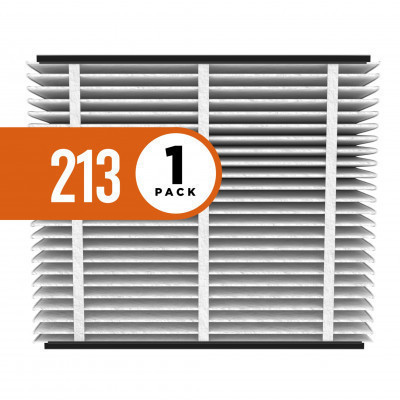
MERV Rating: 13
Description: Designed to trap small particles, including pollen, dust mites, and pet dander. It also captures airborne bacteria and smoke, making it a great option for homes aiming to improve indoor air quality.
Best For: Homes with allergy sufferers or residents sensitive to airborne irritants, and homes with pets.
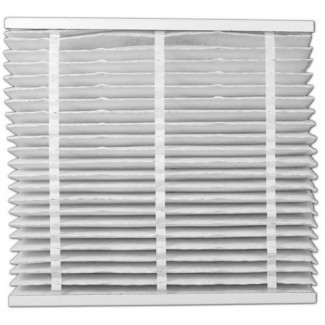
MERV Rating: 10–13 (depending on model)
Description: This high-efficiency filter is suitable for capturing a range of particles, from dust to mold spores. It’s known for balancing excellent filtration with airflow to maintain HVAC performance.
Best For: Standard households looking for reliable, medium-to-high-efficiency filtration.
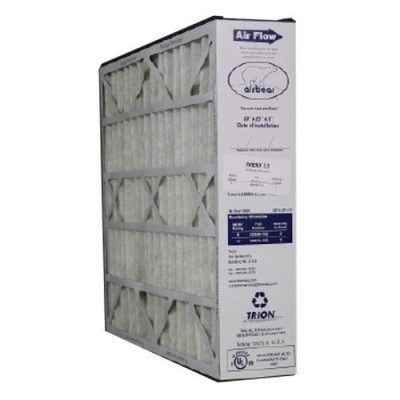
MERV Rating: 13
Description: This filter captures pet dander, dust, and pollen, making it ideal for those with mild allergies. It uses Goodman’s proprietary technology to trap tiny particles while maintaining good airflow.
Best For: Households seeking to upgrade their indoor air quality
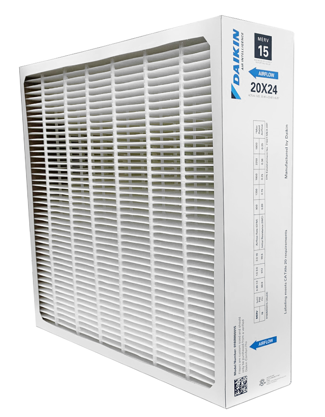
MERV Rating: 15
Description: This pleated filter effectively traps common allergens like dust and pet hair while maintaining good airflow for energy efficiency.
Best For: Homes with pets or mild allergies.
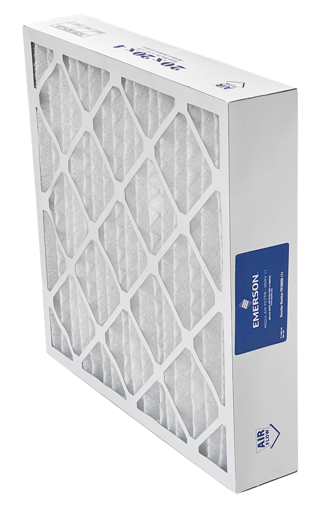
MERV Rating: 11
Description: Electrostatic technology allows this filter to attract and trap tiny particles, including smoke, bacteria, and pollen, making it a premium choice for homes focused on air purity.
Best For: High-traffic homes or those needing enhanced allergen control.
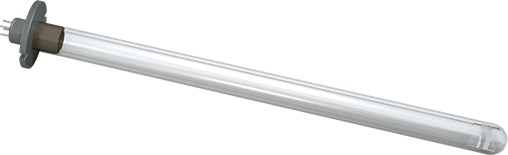
MERV Rating: Supplementary (used with MERV-rated filters)
Description: A UV filter combined with activated carbon technology for neutralizing odors and capturing VOCs, making it ideal for odor-sensitive homes.
Best For: Pet owners or homes with strong cooking smells.
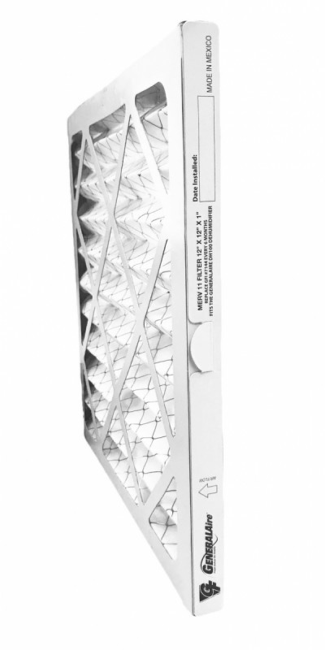
MERV Rating: 11
Description: Designed for use with dehumidifiers, the GeneralAire 600-1090 air filter offers effective filtration of dust, allergens, and other airborne particles. Its MERV 11 rating ensures a balance between air quality improvement and maintaining efficient airflow. This filter is an affordable and dependable option for enhancing indoor comfort.
Best For: Homes seeking cost-effective filtration for improved air quality and dehumidifier performance.
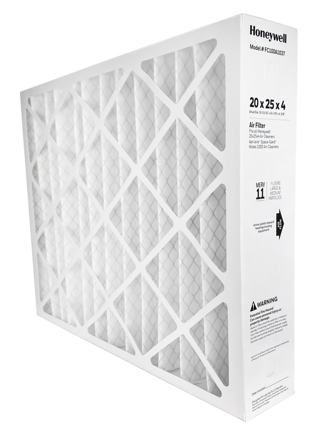
MERV Rating: 11
Description: A pleated filter that effectively captures common allergens and larger particles. Known for its durability and efficiency.
Best For: Homes with allergy sufferers or moderate filtration needs.
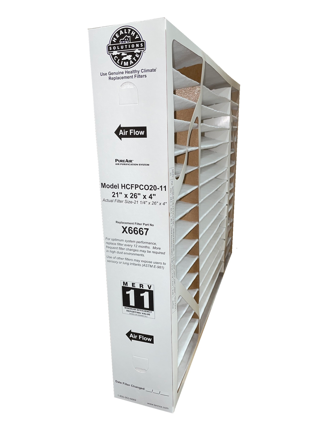
MERV Rating: 16
Description: Combines advanced particle filtration with carbon to reduce odors and VOCs. This filter provides superior indoor air quality and is compatible with high-efficiency HVAC systems.
Best For: Homes requiring top-tier filtration for both particles and odors.
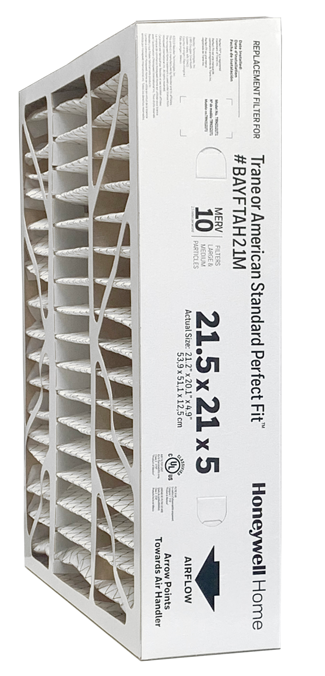
MERV Rating: 10–13 (depending on model)
Description: A high-quality pleated filter designed to balance excellent filtration with proper airflow, protecting HVAC systems while improving indoor air quality.
Best For: Homes looking for reliable filtration with minimal impact on HVAC performance.
Choosing the right furnace filter for our HVAC system involves understanding the different types available, each with its own unique features and benefits:
Each of these filter types has its own specific benefits, and the right choice depends on our household needs, such as allergy concerns, budget, and HVAC system compatibility. Make sure to consider the MERV rating of the filter to ensure that we balance efficient filtration with maintaining proper airflow.
Regularly changing our air filters is crucial for maintaining both indoor air quality and the efficiency of your HVAC systems. A clean filter keeps airborne impurities like dust, pollen, and pet dander out of our homes, preventing them from circulating through our air ducts. As HVAC professionals, we’ve seen firsthand how neglecting filter replacement can lead to poor air quality, increased allergies, and even respiratory issues, especially for sensitive household residents.
The filter replacement frequency depends on several factors, including the type of filter, the number of household residents, and the presence of pets or smokers. A disposable furnace filter may need to be changed every 30 to 90 days, while washable filters can be cleaned and reused every few months. From our experience, following the manufacturer’s recommendation is always the safest approach. If anyone in your home suffers from allergies or asthma, we recommend replacing filters more frequently to maintain optimal indoor air quality.
Changing filters regularly also helps lower your energy bill. When filters become clogged, your HVAC system has to work harder to push air through, which increases energy consumption. We’ve seen this reduced efficiency not only raise utility costs but also add unnecessary wear and tear to the HVAC system itself, leading to more frequent maintenance and even earlier-than-normal replacements. Regular filter changes are one of the simplest ways to protect our HVAC investment and maintain system efficiency.
Many of our customers find it convenient to subscribe to a regular filter delivery service to ensure they always have a clean filter on hand at the right time. With clean filters, we keep airborne impurities at bay, extend the life of our HVAC system, and create a healthier home environment.
Selecting the correct filter size is essential for ensuring optimal performance and fit within your HVAC system. As professionals, we’ve seen how an incorrectly sized filter can reduce airflow, compromising both energy efficiency and indoor air quality. The filter should fit snugly within the designated slot to avoid air bypass, where unfiltered air may flow around the edges of the filter instead of through it. This filter snugness ensures that all air is properly filtered, preventing debris from entering your HVAC system and potentially damaging components like the heat exchanger.
To determine the right filter for your system, we always recommend checking the filter labels on the existing filter or consulting the furnace model specifications. Filters are often labeled with three measurements: length, width, and filter thickness. These dimensions are crucial, as even slight variations can impact how well the filter fits and functions. Incorrect filter fits are something we always caution against because it can cause inefficiencies that ultimately lead to more serious HVAC problems.
Different filters come in various sizes, and you can find both disposable filters and washable filters to suit your needs. When choosing replacement filters, it’s also essential to consider the MERV rating, which indicates the filter’s efficiency in trapping particles. However, you need to be mindful that higher MERV ratings can restrict airflow, which may not be suitable for all systems. A balance between filtration efficiency and proper airflow is key to maintaining your HVAC system’s performance.
Smart filters are an innovative solution for maintaining indoor air quality with the added benefits of modern technology. A smart furnace filter is equipped with sensors that can monitor the amount of particulate matter collected, helping you determine exactly when a replacement is needed. This can help reduce waste and ensure that your HVAC system is always operating at peak efficiency.
Many smart filters come with a companion app that sends notifications to your smartphone, providing real-time updates on the condition of the filter. This is particularly beneficial for smart homes, where technology integration helps streamline household maintenance tasks.
Compared to traditional furnace filters, smart filters offer the advantage of precision. Instead of relying on generic timelines for replacement, you get data-driven insights into your filter’s performance.
While smart filters may have a higher initial cost than conventional options, the potential benefits—including extended HVAC lifespan, reduced energy costs, and better overall air quality—make them a worthwhile investment for tech-savvy homeowners looking to maximize their indoor comfort and efficiency.
Enhance your indoor air quality and keep your HVAC system running efficiently with the right furnace filter!
Fort Collins Heating & Air Conditioning makes it easy—simply visit our online shop to browse and order filters, which will be shipped directly to your home for the ultimate convenience.
Protect your home and breathe easier by choosing the right filter for your family. For information on filter ratings, consult industry standards like MERV, manufacturer recommendations, or customer reviews from sources like Consumer Reports, for detailed criteria, refer to ASHRAE and the EPA.
Need help selecting or installing a filter? Or noticing airflow issues? Reach out to our team! With over 85 years of experience, Fort Collins Heating & Air Conditioning has proudly served Northern Colorado, offering reliable HVAC services, including furnace maintenance and repair. Call us at (970) 317-2484 to speak with an expert or schedule your service appointment.
Posted on Google
 Patricia Lowderback
Trustindex verifies that the original source of the review is Google.
Jason was very friendly and professional and did a great job for us!Posted on Google alan lewisEfficient thorough and pleasantPosted on Google
 Brett WinterhalderShaun was great! Very professional and knowledgeable! Would highly recommend Fort Collins Heating and AirPosted on Google
 Jennifer DonnerJake from Fort Collins Heating and Air was super helpful in ensuring our air conditioning unit was functioning properly. He took the time to explain how things worked and was extremely patient. Highly recommended Jake!Posted on Google
 Josh ThomasGreat service, Hunter was extremely knowledgeable and addressed concerns we had with our unit in a quick but thorough approach. They replaced my AC and furnace, and installed a new heat pump.Posted on Google
 Keith RothCody provided exceptional service from start to finish. He was upfront and honest about what needed attention, what could wait, and the different repair options available to me. He explained everything clearly, showed me what he was seeing, and never made me feel pressured into choosing the most expensive option. He maintained a great attitude throughout the entire visit and worked patiently with me through several unexpected hurdles that came up during the appointment. His professionalism, knowledge, and genuine concern for both the immediate repair and the long-term health of my HVAC system were obvious. Service this honest, and genuine is becoming increasingly rare. It was refreshing to work with someone who clearly takes pride in doing their job. I would gladly recommend him. And plan to continue working with Fort Collins Heating and Air Conditioning in the future.Posted on Google
 Marine 0811Rufat, He was great very courteous and professional the whole time. Went thought my AC unit like a champ. Did his thing fixed what needed to be fixed. Highly recommend you guys. Thank you guys for the great workPosted on Google
 Vic ZielinskiMaster plumber Marshall Douglas from Fort Collins Heating and A/C came out and diagnosed the water accumulating under our water heater. He explained what he saw and the the proposed solutions very clearly. I wasn't much help because I was off-site and couldn't answer his questions. We agreed on a plan going forward and I trust his advice whether it's replacing the water heater or just cleaning the floor drain underneath it- but which we can't see as things are. The job is in-progress.Posted on Google
 10th MountainShaun did an excellent job diagnosing and repairing my A/C. Highly recommended!