

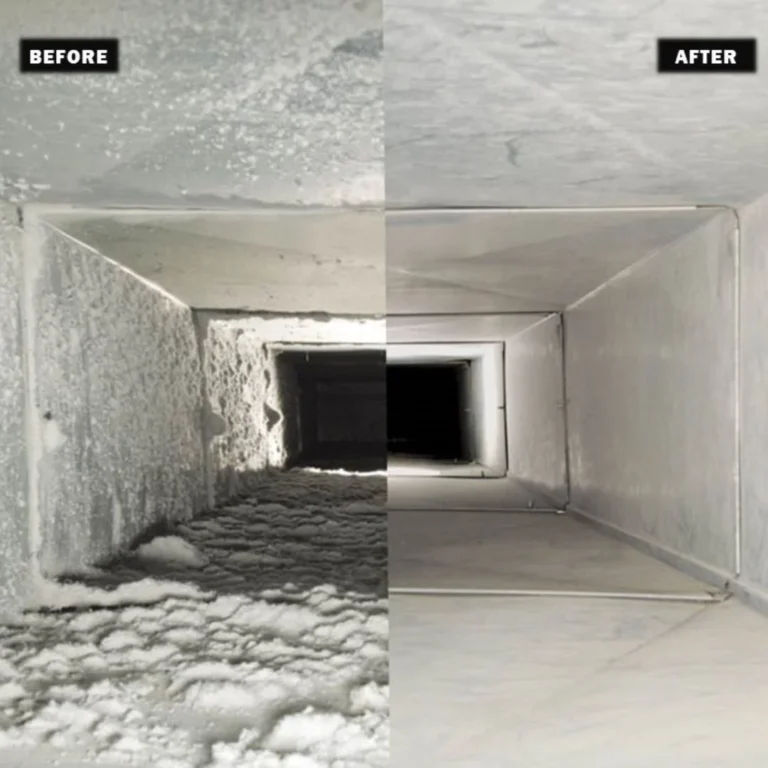
Spring in Northern Colorado brings a fast jump in pollen counts, and plenty of homeowners assume their HVAC system is making allergies worse. Before spending money on a service, it helps to know what duct cleaning actually does for the air you’re breathing indoors. Ask us about REME HALO for your system.
Quick Answer: Could Cleaning Your Air Ducts Help with Allergies?
For most allergy sufferers, duct cleaning offers limited relief alone. It helps when ducts have visible mold or heavy debris, but clean filters, humidity control, and regular maintenance usually matter more for indoor allergens.
What Actually Triggers Indoor Allergies
Pollen, pet dander, and dust mites cause most indoor allergy symptoms, and none of them live only in your ductwork. Check your filter first: a clogged one forces the system to push more unfiltered air through the house. Confirm your AC performance holds up before allergy season peaks, since a struggling system recirculates whatever it can’t properly filter.
When Duct Cleaning Actually Helps Allergies
Duct cleaning makes a real difference in specific situations:
- Visible mold growth inside the ductwork
- A recent pest infestation with droppings or nesting material left behind
- Heavy renovation dust that settled into the system
- Ducts that haven’t been touched in 15 years or more, especially in an older home
Outside those cases, most allergy relief comes from smaller, more frequent changes: swapping filters monthly during high-pollen months, running a dehumidifier, and keeping cooling equipment clean so it isn’t recirculating dust along with cool air.
Filters Matter More Than Most People Think
A high-MERV filter traps more allergens than a standard fiberglass one, but it also restricts airflow more. If your system isn’t rated for a high-MERV filter, forcing one in can strain the blower motor and shorten its life. Check your owner’s manual or ask a technician which filter rating your setup can handle.
If you’re due for a system upgrade anyway, it’s worth asking about AC pricing on models built with better filtration in mind. Some newer systems handle higher-MERV filters without the airflow penalty older equipment runs into.
The Part Nobody Talks About
Most articles treat duct cleaning as an allergy cure-all. It isn’t. The National Air Duct Cleaners Association doesn’t claim duct cleaning improves health outcomes on its own, only that it removes visible contamination. If your allergies are severe, an allergist can identify exactly what you’re reacting to with an allergy test, something a duct inspection can’t tell you.
That test also catches humidity problems, which matter more than most homeowners realize. Dust mites and mold both thrive above 50% indoor humidity, so controlling that number does more for allergy symptoms than a one-time duct service.
What Northern Colorado’s Allergy Season Actually Looks Like
Fort Collins allergy sufferers deal with a longer season than people give it credit for. Juniper and cottonwood hit hard in spring, grasses take over through early summer, and ragweed closes things out in late summer and fall. That’s a stretch of nearly seven months where something is triggering symptoms for a meaningful share of the population.
Because the season runs so long here, a one-time duct cleaning in April won’t help much with ragweed exposure in September. If allergies are a year-round concern in your house, think in terms of an ongoing system, better filtration, consistent maintenance, and humidity control, rather than a single service scheduled once and forgotten.
Air Purifiers vs. Duct Cleaning
A whole-home air purifier tied into your HVAC system actively filters air every time the system runs, which does more for continuous allergen reduction than a duct cleaning that only addresses buildup on a single day. The two aren’t competing solutions. Duct cleaning removes what’s already accumulated, and a purifier or upgraded filtration keeps new allergens from building back up as fast.
If you’re deciding where to spend money first, prioritize filtration upgrades over duct cleaning unless you’ve got one of the specific triggers mentioned earlier, visible mold, pests, or heavy renovation dust.
Where Regular Maintenance Fits In
Duct cleaning is a one-time service. HVAC upkeep is ongoing, and it catches the small issues, a dirty coil, a worn belt, a failing capacitor, before they turn into bigger problems that affect both comfort and air quality. A technician doing a routine tune-up will flag duct issues if they see them, which often makes more sense than scheduling a separate duct-specific appointment.
Homes with older electrical systems should also ask about power protection for HVAC equipment. A power surge during one of Colorado’s summer storms can damage sensitive components just as easily as it can a laptop or TV, and replacing a control board costs more than most people expect.
When It’s an HVAC Problem vs. a Medical One
Not every allergy symptom traces back to your home’s air. If symptoms show up regardless of season, indoors and outdoors alike, or come with sinus pressure and headaches, that pattern points more toward a medical allergy than an air quality issue. An HVAC technician can rule out obvious sources, mold, a dirty system, poor filtration, but they can’t diagnose what’s actually triggering your body’s reaction.
A reasonable approach: handle the household side too, clean filter, humidity control, a properly maintained system, since those help regardless of what’s causing the symptoms. But if allergy symptoms are persistent or getting in the way of daily life, see an allergist now rather than waiting to see if the HVAC fixes work first.
Final Thoughts on Air Duct Cleaning and Allergies
Duct cleaning isn’t the first thing to try for allergy relief, but it isn’t useless either. Handle the basics first: filters, humidity, and regular maintenance. If you’ve still got visible mold or debris after that, duct cleaning is a reasonable next step.
Not sure if your ducts are part of the problem? Fort Collins Heating & Air Conditioning can take a look and tell you straight whether duct cleaning makes sense for your system. What it does for your allergies is a question for your doctor. Contact us!