

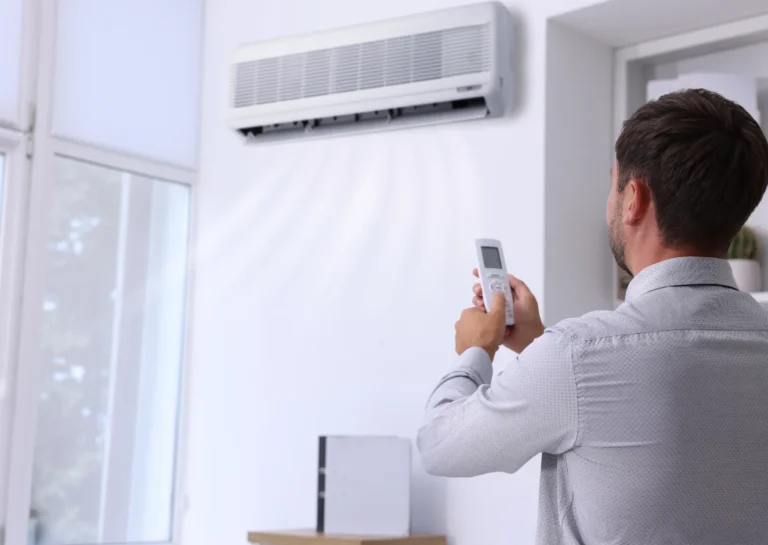
If you live along the Front Range, you already know a Colorado summer does not follow a simple script. Hot afternoons, cool nights, dry air, high elevation, and strong sun all shape how your home feels and how your cooling system performs. When people ask whether central AC holds up well here, the better question is this: Does it stay reliable, efficient, and comfortable under Colorado conditions? That answer depends on more than the equipment alone, including whether the system started with the right air conditioning installation for your home.
Quick Answer
Yes, central AC can hold up well in Colorado’s climate when it’s properly sized, installed, and maintained. In many homes, the bigger issue isn’t the climate itself but whether the system has the right airflow, a sound installation, and consistent upkeep to handle local conditions.
Why Colorado Is Different for Central AC Systems
Colorado puts your cooling system in a different kind of environment than many other parts of the country. It’s not just about heat. It’s about how several conditions stack together and change the way your system operates over time.
A few of the biggest factors include:
- High Elevation: Thinner air can affect HVAC performance and airflow
- Low Humidity: Dry indoor air can change how comfortable your home feels
- Strong Sun and UV Exposure: Direct sun adds heat load and wears on outdoor materials
- Wide Temperature Swings: Warm afternoons and cool nights can shift cooling demand quickly
- Storms and Outages: Summer weather can be hard on electrical components
During a Colorado summer, your AC may not run the same way it would in a lower, more humid climate. That doesn’t mean central AC is a poor fit here. It means the system needs to be matched to the home and local conditions with more care than many homeowners realize.
What Actually Determines Whether Central AC “Holds Up”
When we talk about whether central AC holds up in Colorado, climate is only part of the story. In many homes, long-term performance comes down to a few practical fundamentals that have more day-to-day impact than the weather itself.
The biggest factors are:
- Proper Sizing: An oversized unit can short-cycle, while an undersized one may run too long
- Airflow and Duct Design: Restricted airflow can reduce comfort and strain the system
- Installation Quality: Even good equipment can underperform after a weak air conditioning installation
- Routine Upkeep: Consistent AC system maintenance helps catch wear before it turns into bigger trouble
- Electrical Protection: Surges and outages can damage boards, motors, and controls
In other words, a central AC system usually holds up best when the setup is solid from the start, and the maintenance is steady afterward. Climate matters, but poor sizing, weak airflow, and neglected service often do more to shorten a system’s useful life.
Why Sizing and Airflow Matter More at Altitude
In Colorado, the label on the equipment doesn’t tell the whole story. Two homes can have the same size AC on paper and get very different results once elevation, duct layout, insulation, window exposure, and airflow enter the picture.
That’s why proper sizing matters. A system that is too large may short cycle, while one that is too small can run longer than it should. Neither is ideal for comfort or long-term wear.
Airflow matters just as much. Watch for issues like:
- Undersized return ducts
- Blocked vents or dirty filters
- Weak blower performance
- Poor balancing between rooms
This is also why installation deserves careful attention. If the load calculation or airflow setup is off from day one, the system may never feel quite right.
Colorado Smoke and Air Quality Change the Cooling Conversation
Cooling in Colorado is no longer only about temperature. In some stretches of summer, air quality becomes part of the equation, too. On smoky days, opening windows at night may not give you the relief you want if outdoor air is full of fine particles.
A central AC system can help support a more controlled indoor environment when paired with the right filtration and airflow. That doesn’t mean every filter upgrade is the right move. A filter that’s too restrictive for your system can choke airflow and create new problems.
What matters most is balance:
- Cleaner indoor air
- Steady airflow
- A filter that your system can handle
For many homeowners, that’s where comfort starts to mean more than cooler air alone.
How to Help a Central AC System Last Longer in Colorado
If you want your central AC to hold up well in Colorado, the goal isn’t to chase perfection. It’s to keep small problems from becoming expensive repairs. In our climate, steady care usually matters more than heroic fixes.
Focus on the basics:
- Schedule a seasonal tune-up before heavy summer use
- Check filters regularly during dusty stretches
- Keep the outdoor unit clear of debris and plant growth
- Pay attention to airflow changes and rising energy bills
- Consider surge protection for sensitive electrical parts
It also helps to notice warning signs early. AC freezing up, short cycling, or weak airflow rarely fixes itself. Those issues often point to airflow restrictions, low refrigerant, or maintenance gaps. A little attention at the right time can save you from a much bigger repair later.
Humidity, Comfort, and Filtration: What Colorado Homeowners Should Know
One of the trickier parts of cooling a Colorado home is that comfort and temperature aren’t always the same thing. You can have a home that’s technically cool but still feels dry, dusty, or uneven from room to room.
That’s because indoor comfort here depends on more than the thermostat. It also depends on:
- Indoor humidity levels
- Filter condition and fit
- Overall airflow through the system
In many homes, dry air can make rooms feel less comfortable even when the AC is doing its job. Filtration matters too, especially during dusty or smoky periods, but stronger isn’t always better. A filter that’s too restrictive can reduce airflow and create a different set of headaches. The better approach is choosing a filter your system can handle and keeping it changed on schedule.
Final Thoughts
Central AC can work very well in Colorado. The climate doesn’t automatically shorten a system’s life or make cooling unreliable. In most homes, the bigger factors are proper sizing, solid airflow, careful installation, and steady upkeep over time.
If you want your system to hold up well, keep your focus on the fundamentals:
- Make sure the system is sized for the home
- Keep airflow and filtration in good shape
- Stay consistent with maintenance
- Address performance changes before they snowball
It’s also worth paying attention to warning signs before you assume a replacement is around the corner. Uneven cooling, frequent repairs, or the same 3 air conditioning sounds showing up again and again, such as buzzing, rattling, or squealing, can point to service needs long before they point to full replacement. Catching those issues early can help you avoid unnecessary stress about new air conditioning costs and make better decisions about whether your current system still has good years left.If you want help evaluating how your system is performing in Colorado’s climate, Fort Collins Heating & Air Conditioning can help you take a closer look. Call 970-317-2484 to talk through your cooling concerns and your next steps.