

Imagine this: a summer thunderstorm is rolling in, the air is heavy, and suddenly the lights flicker. It’s easy to brush off those brief power dips, but they’re more than a passing inconvenience. Small surges and voltage spikes happen all the time, not just during storms, and every one of them can quietly chip away at your home’s electronics and appliances. With the ever-increasing number of home electronics we all love, protecting your home from surges is more important than ever.
If you’ve ever wondered whether a whole home surge protector is worth your attention, you’re in the right place. We’ll walk you through what these devices do, how they work, and what you really need to know to keep your home running smoothly.
A whole home surge protector is wired into your main electrical panel, where it constantly monitors incoming power. When it detects excess voltage, whether from lightning or routine utility shifts, it instantly diverts that surge safely into the ground, shielding your home’s electrical system from harm.
Let’s cut through the jargon: a whole home surge protector is a device hardwired into your home’s main electrical panel. Think of it as a dedicated gatekeeper for your entire electrical system; its job is to sense any sudden spikes in voltage and block those “uninvited guests” before they can sneak in and wreak havoc on your appliances and electronics.
Unlike those plug-in surge strips you might use for a computer or TV, whole home surge protectors are designed to guard every circuit in your house at once. You might also hear them called surge protective devices (SPDs) or panel surge protectors, but the goal is always the same: give your home a fighting chance when the unexpected strikes.
Power surges aren’t as rare as folks think. Some are big and dramatic, like lightning strikes, but most are small, everyday blips that go unnoticed. Surges can come from several directions, such as:
Believe it or not, most surges actually come from right inside your own four walls, not from the outside world.
Let’s peel back the curtain and see what’s really happening behind your electrical panel. When we install a whole home surge protector, we’re wiring it directly into your main electrical panel; the very heart of your home’s power. Its job is simple on the surface: keep watch over the flow of electricity, day in and day out.
Here’s how it works, step by step:
You might be surprised by how much you rely on surge protection, even if you’ve never thought about it before. Whole home surge protectors stand guard over nearly every piece of modern technology and essential system in your house, including:
It’s important to know, though, that surge protectors aren’t a cure-all; they can’t prevent power outages or blackouts. What they do is shield your most valuable appliances and electronics from damage that could cost you big in repairs or replacements.
Installing a whole home surge protector isn’t something we’d ever recommend as a weekend DIY project. These devices are hardwired straight into your main electrical panel, which means you’re working right where all the electricity in your home converges. It’s a job for a licensed electrician; someone who knows how to keep you, your home, and your new device safe.
Here’s what the process usually involves:
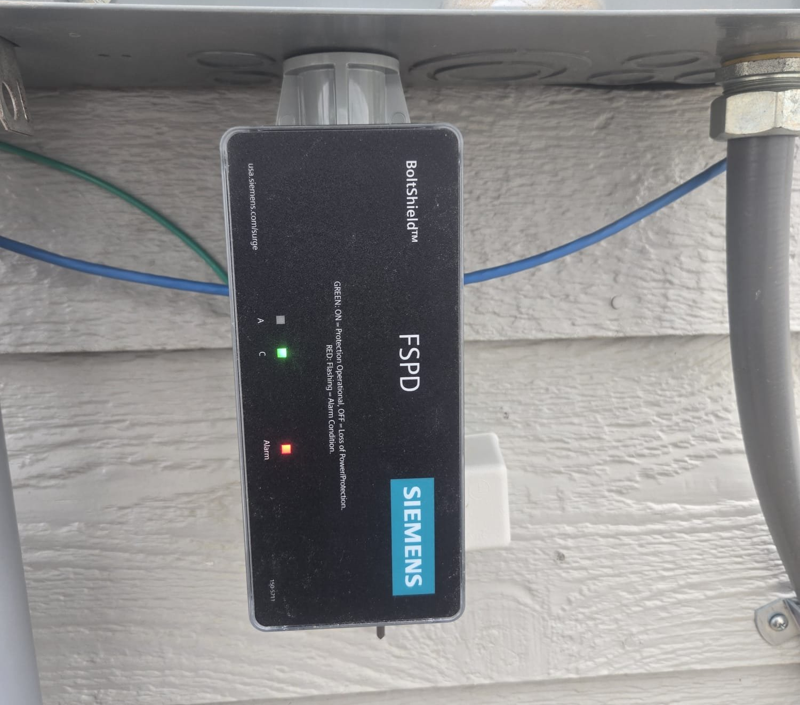
Once your whole home surge protector is in place, it doesn’t need much babysitting; but it’s not a “set it and forget it” device, either. Most units have indicator lights that show whether your protection is still active. We recommend checking these lights every few months, especially after a major storm or power event.
If the light goes out or you notice any physical damage, it’s time for a replacement. Like any hard-working piece of equipment, surge protectors have a finite lifespan; usually between five and ten years, depending on how many surges they’ve handled.
Surge protection is quietly evolving, right alongside the rest of your home’s technology. Some newer whole home surge protectors offer features like:
We’re also seeing integration with smart electrical panels and even app-based notifications. As more homes fill up with connected devices, expect surge protection to get smarter and more responsive.
Not every home faces the same risks, but we encourage you to take a quick inventory:
If you checked “yes” to any of these, you’re a strong candidate. The next step? Talk to a licensed electrician who can assess your home and answer your specific questions.
Can I use a whole home surge protector with plug-in strips?
Absolutely. We recommend it. Layering protection means you’re covered at the panel and at the outlet, especially for sensitive electronics.
Will it help with power outages?
No, surge protectors are designed for spikes, not drops. Consider a whole-home generator if electricity outages are a problem in your area.
How do I know if mine is working?
Most have indicator lights; if the light’s off, it’s probably time for a replacement.What if I have solar panels or a generator?
Tell your electrician; they can ensure your surge protection fits your unique setup.