At Fort Collins Heating & Air Conditioning, we know your furnace’s safety controls are not the flashiest parts of the system, but they matter more than most homeowners realize. The limit switch is a built-in safeguard that keeps temperatures in check and helps manage when the blower turns on and off. When it starts failing, you may notice the fan running nonstop, the furnace short-cycling, or sudden shutdowns that leave the house cold.
Catching the problem early can help you avoid inefficient heating, costly repairs, and potential overheating hazards. Below, we’ll break down what the limit switch does, the symptoms of failure, and a few simple checks to try before you call a pro.
Quick Answer: How to Know if Your Limit Switch is Bad
A bad furnace limit switch often shows up as a blower that will not stop running, a furnace that cycles on and off rapidly, or a furnace that will not ignite at all. Start with airflow checks and a manual reset. If issues continue, test continuity or call a technician.
What Is a Furnace Limit Switch and How Does It Work?
Think of the furnace limit switch as your system’s thermostat watchdog. It handles two critical jobs:
- Prevent overheating: It monitors heat exchanger temperature and cuts power to the burners if the exchanger rises past a safe threshold.
- Control blower timing: Once the exchanger is hot enough, it closes a circuit to turn on the fan, then opens the circuit again as things cool down.
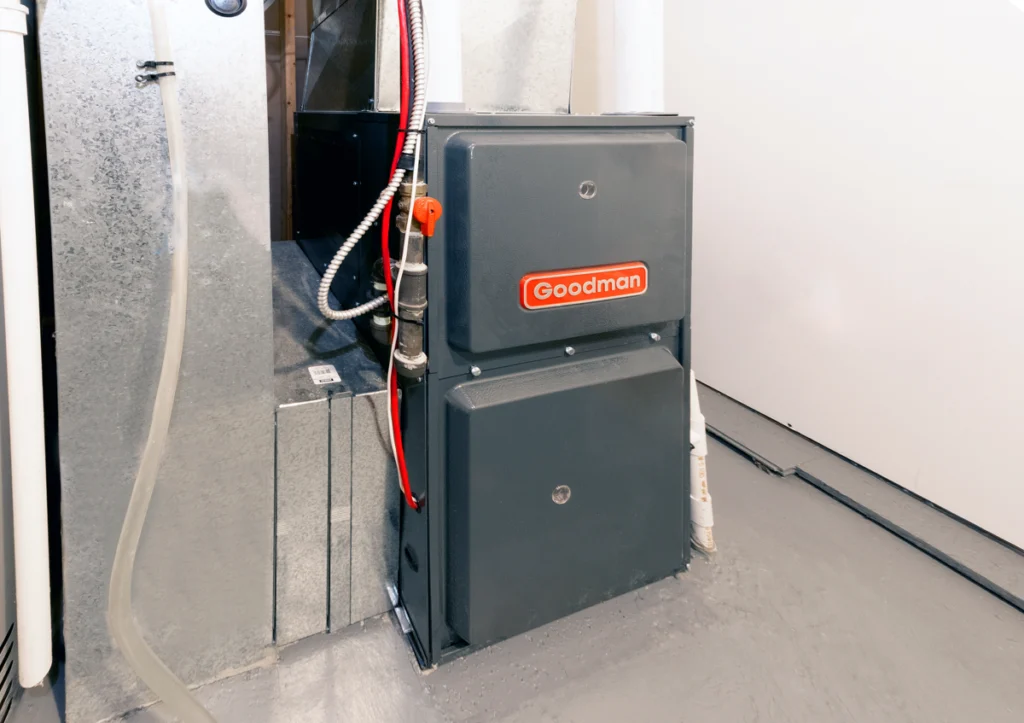
You’ll usually find the limit switch mounted on the hot-air plenum or directly on the heat exchanger. Inside, it’s a temperature-sensing probe wired back to the furnace control board. As air moves through the furnace, the probe tracks temperature changes and opens or closes an internal electrical contact. When it’s working correctly, it helps your furnace run safely, efficiently, and with the right blower timing.
Common Symptoms of a Bad Limit Switch
When the limit switch starts misfiring, watch for these red flags:
Continuous Blower Operation
- What you see: The fan runs nonstop after the heating cycle ends.
- Why it happens: A switch stuck closed never cuts power, which can mean constant airflow, noises, and faster motor wear.
No Blower Operation
- What you see: Burners light, but the blower never starts.
- Why it happens: A failed-open switch can’t complete the circuit to the fan relay, trapping heat and increasing the chance of safety trips.
Short Cycling
- What you see: The furnace fires up and shuts off in rapid bursts.
- Why it happens: The switch-trip temperature drops too low, cutting burners prematurely and causing uneven comfort.
Cold Air from Vents
- What you see: Unheated air blows before or after a heat cycle.
- Why it happens: Switch timing is off (opening too early or closing too late), so the blower runs when temperatures are not where they should be.
Furnace Won’t Ignite or Shuts Down
- What you see: The furnace fails to start, or it shuts off mid-cycle.
- Why it happens: An open switch can block ignition current or trigger an overheat shutdown.
Error Codes on the Control Board
- What you see: Codes like E2 or E3 flash on the display.
- Why it happens: Many modern furnaces self-diagnose limit switch faults and assign specific codes that point you toward the problem.
Catching these symptoms early helps you stop small issues before they turn into bigger ones.
Diagnosing the Limit Switch: Tools & Safety Precautions
We start any diagnosis with the right tools and the right safety steps.
Tools Needed
- True-RMS multimeter (for accurate continuity and voltage readings)
- Non-contact voltage tester (to confirm power is off)
- Insulated screwdrivers and nut drivers
- Flashlight (for tight spaces and visual inspection)
Safety First
- Cut power at the furnace service switch and your main breaker panel.
- Shut off the gas supply if you need to open combustion areas.
- Verify zero voltage at the limit switch terminals with your voltage tester before you touch any wiring.
Locating the Switch
- Remove the furnace access panel.
- Look for the limit switch on the hot-air plenum or heat-exchanger housing.
- It typically has two or three wires and a small probe inserted into the plenum.
Realistically, it’s best to leave this part to professional furnace technicians.
When to Call a Professional
Even with careful DIY checks, some limit switch problems are best handled by a certified HVAC technician. Call us, or another licensed pro, if:
- You’re not comfortable working around live voltage or gas lines.
- The switch trips again immediately after you reset or replace it.
- Error codes (like E2/E3) stay on even after troubleshooting.
- You notice other warning signs like strange odors, soot, or suspected heat-exchanger cracks.
Preventive Maintenance Tips to Extend Switch Life
We often see limit switches fail early because of restricted airflow or missed maintenance. To help yours last longer:
- Replace or clean your furnace filter every 1–3 months.
- Schedule an annual HVAC tune-up to inspect safety controls, blower components, and the heat exchanger.
- Keep supply and return vents, and nearby duct paths, clear of furniture, rugs, and clutter.
- Pay attention to early warning signs like slower heat-up times or a louder blower, then address them promptly.
Final Thoughts on Bad Limit Switches
A healthy furnace limit switch is one of your best defenses against overheating and inefficient heating. If you know the symptoms and run a few basic airflow and continuity checks, you can often catch problems before they become breakdowns. When in doubt, call a professional to keep your home safe and warm.
If you’re in or around Fort Collins, get in touch and we’ll get you squared away!