

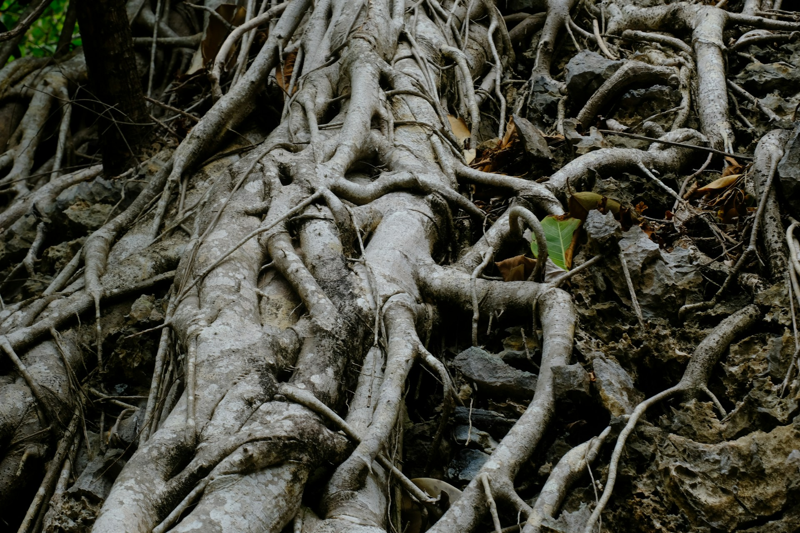
Tree roots are one of the most common causes of main sewer and drain line
damage in Northern Colorado—especially in older neighborhoods with clay, cast iron,
Orangeburg, or concrete piping. Root intrusion in sewer lines often begins silently
underground and worsens over time, making early detection critical for homeowners.
What starts as a small crack underground can quickly turn into a major blockage,
backup, or collapsed line.
At Fort Collins Heating & Air Conditioning (FCHA), we see root intrusion issues
every week. Here’s what every homeowner should know—and how to catch the
problem early before it becomes costly.
Certain homes and properties in Northern Colorado are more likely to experience root
intrusion in sewer lines, including:
If your home falls into one or more of these categories, a proactive inspection can
prevent major sewer damage.
Root intrusion happens when tree or shrub roots grow into underground drain or
sewer lines. Roots are naturally attracted to moisture and nutrients, and even the
smallest crack or joint in a pipe can let them in.
Once inside, roots:
Clay sewer lines are especially vulnerable, which is why root intrusion is common in
homes built before the 1980s. Other pipe materials that are prone to root intrusion and
failure include Orangeburg (fiber) pipe, cast iron, and older concrete sewer lines. In
Northern Colorado, many of these aging materials are now reaching the end of their
lifespan and are frequently being replaced with modern PVC or HDPE piping, which
offers sealed joints, smoother flow, and far greater resistance to root intrusion.
Because the damage happens underground, many homeowners don’t realize there’s a
problem until it’s serious. Common warning signs include:
If you’re experiencing any of these, it’s time to inspect the line.
Root problems never fix themselves. Even if a clog clears temporarily, the roots
continue to grow.
Without proper removal or repair, root intrusion can lead to:
Early detection is the key to avoiding major repairs.
Yes. Tree roots can enter through tiny cracks or pipe joints and expand over time,
cracking, shifting, or collapsing sewer lines—especially clay and cast iron pipes.
Not always. Some root intrusions can be resolved with professional drain cleaning or
root cutting. However, repeated root problems often indicate pipe failure and may
require repair or replacement.
Homes with older sewer materials should have a video camera inspection every 1–2
years, especially if mature trees are nearby.
The most accurate way to confirm root intrusion is with a video camera inspection. At
FCHA, we use high-resolution sewer cameras to inspect your drain and sewer lines
from the inside.
A video inspection allows us to:
Learn more about our video pipe inspection services in Fort Collins here:
Depending on what the camera shows, solutions may include:
Our licensed plumbing team will explain your options clearly and help you choose the
most cost-effective solution.
Explore our full drain and sewer services here:
Right now, Fort Collins homeowners can take advantage of limited-time plumbing
offers:
View all current promotions here:
Root intrusion is one of the most preventable plumbing problems—if it’s caught early.
A simple camera inspection today can save thousands in repairs tomorrow.
If you suspect a drain or sewer issue, contact Fort Collins Heating & Air Conditioning
to schedule service or take advantage of our current specials.
Your comfort. Your home. Your trusted local experts.