


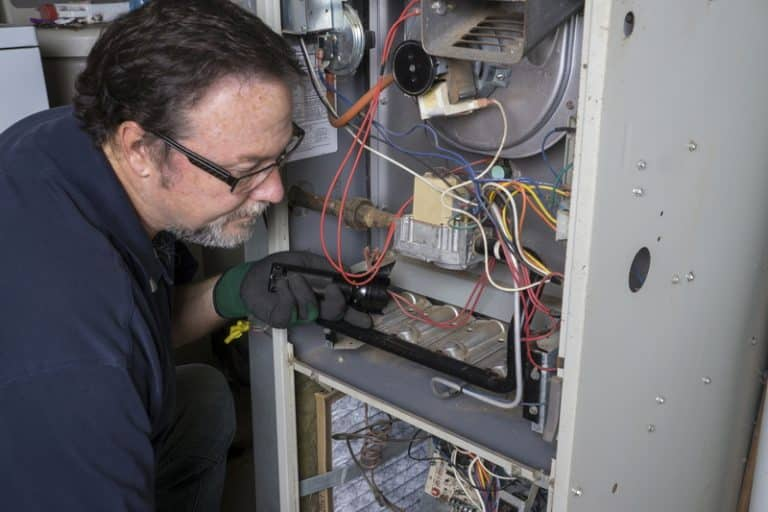
If you’re a Colorado homeowner planning to replace a furnace, water heater, or gas fireplace, there’s a state law you should know about. Since January 1, 2026, new natural gas furnaces and water heaters sold or leased in Colorado have to meet a limit on nitrogen oxide (NOx) emissions. A lot of what’s been said about it isn’t quite right, so here’s a plain breakdown of what changed, what didn’t, and how to plan your next replacement. These rules have been in place since January 1, 2026, so this is about how things work now, not a change on the way.
The law is House Bill 23-1161, Environmental Standards for Appliances. Part of it sets emission limits for new water heaters and new fan-type central furnaces. That’s the law’s term for a furnace that circulates heated air through ducts, which is how a typical forced-air system works. On and after January 1, 2026, with a few exceptions covered below, nobody can manufacture, distribute, sell, offer for sale, lease, or offer for lease one of these new products in Colorado unless its emissions stay at or under the limit:
There’s a second way to comply. Equipment certified to the most recently published ENERGY STAR version for its type is treated as meeting the limit.
The legislature’s stated goals include cleaner air and helping Colorado counties meet federal ozone standards.
This law doesn’t require homeowners to replace existing equipment. It applies to new products, so the furnace and water heater you have now can keep running. It only comes into play when you buy a new one.
They aren’t banned. The furnace section of this law sets a NOx emission limit, not an efficiency minimum. A new 80% furnace can still be sold in Colorado as long as it meets the 14 nanogram limit.
Equipment already held in inventory in Colorado on January 1, 2026, is exempt, so that stock can still be sold.
When you’re ready for a new furnace, we’ll help you pick a model that meets the standard and is sized for your home. Every new installation includes our 1-year test drive, and we back our work with a 100% satisfaction guarantee.
It depends on the furnace you choose and your home’s setup. High-efficiency condensing furnaces usually cost more up front than standard-efficiency models. Our current furnace replacement costs range from $6,500 to $16,000, with an average of $9,500. Those are averages, not quotes. That’s why one of our technicians assesses your system before we give you an accurate price, and our Low Price Guarantee (apples-to-apples) still applies.
The same law reaches more than furnaces:
Colorado changed the rules again in 2026. Senate Bill 26-002 took effect August 12, 2026. Until January 1, 2031, the NOx limits don’t apply to products fueled by propane. They also don’t apply to products designed and listed exclusively for installation in a manufactured home and installed as a replacement in a manufactured home. The gas fireplace rules still apply to propane fireplaces.
Starting January 1, 2031, new furnaces and water heaters designed and listed exclusively for manufactured homes must stay at or under 40 nanograms of NOx per joule. Equipment installed in a manufactured home when the home was built has been exempt since the original law.
Yes. The law covers new products, so repairs to existing equipment aren’t affected. If your current furnace or water heater is working safely and efficiently, you don’t have to replace it because of this law. When it’s time to replace, a new natural gas unit has to meet the standard.
There’s no deadline forcing your hand. Replacing sooner can still make sense if:
If your furnace is running well, a tune-up may be all you need this winter.
We’ve been heating Northern Colorado homes since 1934, and we’ve been family-owned and operated for four generations. Whether you need a repair, a new furnace that meets the standard, or a heat pump, we’ll help you sort out what the law means for your home. We’ll also tell you which rebates you can actually use. Ready to talk it through? Request a call back.